The Practical Value of an Astronomy Kdp Interior Template
For independent publishers using Amazon Kindle Direct Publishing (KDP), the journey from concept to a published book involves numerous practical decisions. Among the most critical is the interior layout, the design that frames your content. A specialized Astronomy Kdp Interior is not merely a decorative template; it is a foundational tool designed to meet the specific functional and aesthetic requirements of astronomy-related publications. Whether you are publishing observational guides, star charts, theoretical texts, or even low-content notebooks themed around celestial bodies, a purpose-built interior provides a coherent starting point that aligns with the subject matter.
The inherent value of such a template lies in its pre-structured efficiency. Instead of investing hours designing margins, page numbers, chapter headings, and image placement from scratch, a ready-made Astronomy Kdp Interior offers a validated framework. This framework is crafted to comply with KDP’s technical specifications, reducing the risk of formatting errors during upload. For authors and publishers, this translates to a significant reduction in pre-publication overhead, allowing focus to remain on content creation and marketing.
Core Characteristics and Functionality
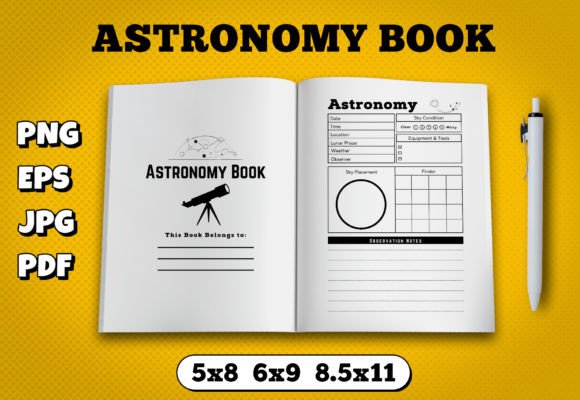
A well-designed Astronomy Kdp Interior typically exhibits several key characteristics. First, it is optimized for readability in both digital and print formats. The typography, spacing, and section breaks are chosen to present technical information or illustrative content clearly. Given the topic, layouts often accommodate elements like diagrams, tables for planetary data, or areas for handwritten observations, all within a clean, professional grid.
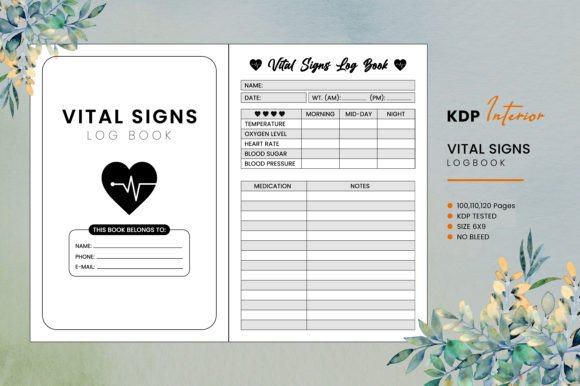
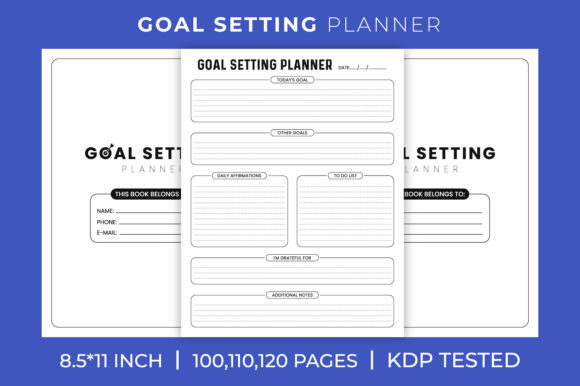
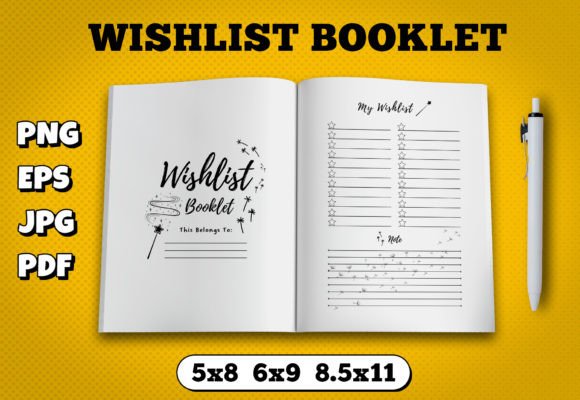
The technical specifications are paramount. As described, a comprehensive package usually includes multiple trim size options—such as 5x8, 6x9, and 8.5x11—each provided in versatile file formats like JPG, PNG, EPS, and PDF. The inclusion of a PDF file ready for KDP upload is the operational cornerstone. This file is configured without bleed, suitable for standard paperback interiors, and pre-checked for compatibility. Having these assets bundled in a ZIP folder streamlines the workflow, enabling the publisher to select the correct size and format for their immediate project without sourcing disparate elements.
Strengths in Real-World Application
In practical use, the primary strength of an Astronomy Kdp Interior is its role as an accelerator. For a new publisher entering the self-publishing space, particularly with low-content or no-content books like astronomy journals or planners, a reliable template eliminates a major barrier. It provides immediate legitimacy through a polished, thematic design that resonates with the niche audience. An astronomy enthusiast looking for a notebook would likely prefer one with a layout that feels purpose-built for logging constellations or moon phases over a generic blank journal.
The flexibility offered by multiple file formats is another significant advantage. The EPS files allow for customization in professional vector editing software if a publisher wishes to modify elements. The PNG and JPG files can be useful for promotional materials or for use in other digital contexts. This multi-format approach ensures the template is not a single-use asset but a adaptable resource that can support broader publishing activities, from social media graphics to supplementary print materials.
Evaluating Quality and Usability
The perceived quality of a KDP interior template hinges on its attention to detail. A professional Astronomy Kdp Interior should demonstrate consistent margins, sensible font sizing, and appropriately placed placeholder elements. The black-and-white constraint, while standard for KDP paperback interiors, should not equate to a bland design; effective use of grayscale, subtle thematic borders, or iconography can enhance the visual appeal while remaining cost-effective for printing.
Usability extends beyond the visual design to the user experience of implementing the template. A truly helpful template will have logically named layers or elements in editable formats and clear documentation, if included. The ease with which a publisher can insert their own text, replace placeholder images, and generate the final PDF is a direct measure of the template’s practical value. A cumbersome or poorly organized file set can negate the time-saving benefits it promises.
Who Benefits Most from This Resource
The ideal user for an Astronomy Kdp Interior spans several profiles within the self-publishing community. The entrepreneur or marketer creating a series of low-content astronomy journals for a specific audience—such as students, amateur astronomers, or astrology hobbyists—gains a consistent brand asset. Educators producing supplementary workbooks or observation manuals can leverage the template to ensure a professional output without graphic design expertise. Experienced publishers expanding their catalog into the astronomy niche can use it to quickly launch test products without diverting resources from their core projects.
It is also a sensible tool for serious hobbyists who wish to publish their own observational logs or guides, sharing their knowledge in a formally presented book. The template provides the structural confidence they might lack in design software. For all these users, the template’s value is highest when their goal is to produce a market-ready product efficiently, with a design that implicitly communicates relevance to the topic.
Practical Recommendations and Considerations
Before committing to a specific Astronomy Kdp Interior, publishers should align the template’s offerings with their project plan. Verify that the included trim size matches your market research; 6x9 is a popular size for non-fiction and journals, while 8.5x11 may suit more workbook-oriented content. Assess the file formats against your own software capabilities. If you only use basic word processors, ensure the PDF is truly ready-to-use, or that you have access to software that can edit the provided PNG or JPG if minimal customization is needed.
It is also wise to consider the template as part of a larger ecosystem. Many shops offer complementary interiors—such as journals, planners, sketchbooks, and trackers—under a coherent design philosophy. If you plan to build a series, using interiors from the same source can maintain visual coherence across your product line, strengthening your brand identity on the KDP platform.
Long-Term Value and Project Fit
The long-term utility of a purchased Astronomy Kdp Interior is measured by its reusability and adaptability. A high-quality template can serve as the base for multiple projects, perhaps with minor modifications for different sub-topics within astronomy. Its digital nature means it can be archived and reused indefinitely, representing a fixed-cost asset for your publishing business. This is particularly valuable for publishers who adopt a rapid-release or series-based strategy.
Ultimately, the fit for your needs depends on your specific goals. If your priority is speed to market, brand consistency, and professional presentation within the astronomy niche, a dedicated interior template is a logical and cost-effective solution. If your project requires highly custom, intricate layouts or full-color interiors, a generic template may be insufficient, and investment in custom design might be necessary. However, for the vast majority of publishers seeking to grow their KDP business with focused, thematic products, a well-crafted Astronomy Kdp Interior provides a solid, reliable foundation from which to build.
By streamlining the technical preparation phase, such a template allows you to concentrate on the core aspects of publishing: content, audience engagement, and marketing. It turns a complex design task into a manageable step, enabling you to publish with confidence and scale your catalog efficiently. In the competitive self-publishing landscape, tools that enhance productivity while maintaining quality are not just conveniences; they are strategic assets.