Your Daily Budget Planner: A Simple Tool for Financial Control
In a world of digital payments and subscription services, tracking your money can feel overwhelming. Many find that generic budgeting apps don’t capture the nuance of daily spending, while blank notebooks lack the structure needed for consistent tracking. This is where a dedicated Daily Budget Planner changes the equation. It is more than a ledger; it’s a structured, physical space designed to turn intention into habit, offering clarity on where your money goes each day.
Why a Structured Daily Logbook Makes a Difference
Financial health often starts with awareness. A Daily Budget Planner provides a dedicated framework for this awareness. Unlike a simple notepad, a well-designed planner prompts you to record not just amounts, but categories, purposes, and even daily reflections. This consistent practice can reveal spending patterns you might otherwise miss—like those small, frequent purchases that add up significantly over a month. For professionals, freelancers, and entrepreneurs managing variable incomes, this daily granularity is crucial. It allows you to align spending with daily cash flow, not just a monthly abstract.
Moreover, the act of writing physically engages a different part of the brain compared to tapping a screen. Many users report that manually entering expenses in a Daily Budget Planner creates a stronger sense of commitment and accountability. It becomes a brief, mindful ritual rather than a passive, automated data entry. This can lead to more thoughtful spending decisions naturally.
Beyond Personal Finance: A Tool for Creators and Publishers
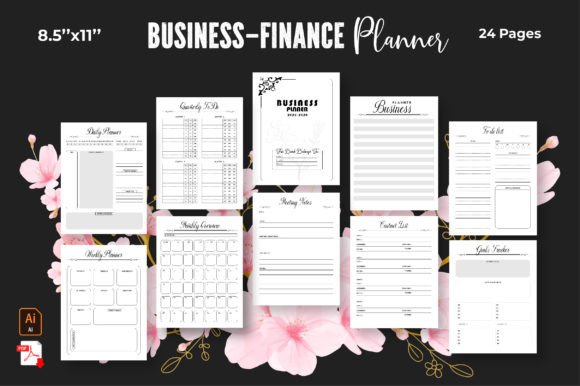
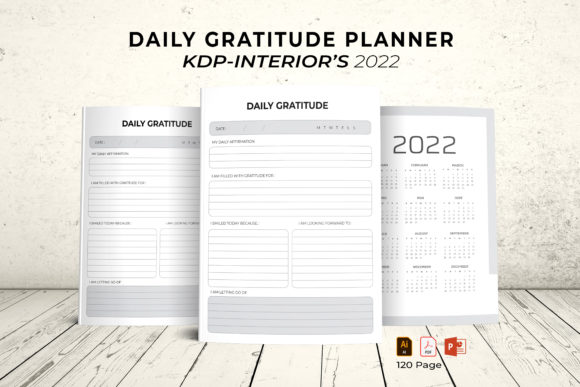
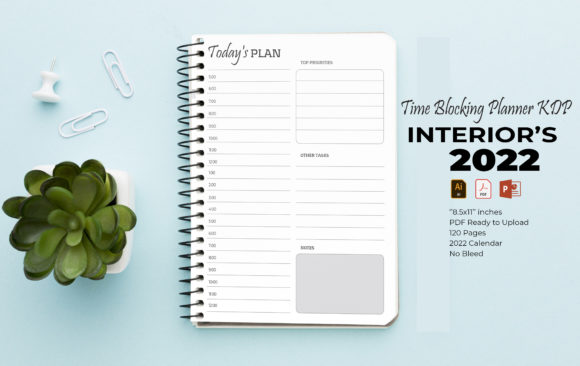
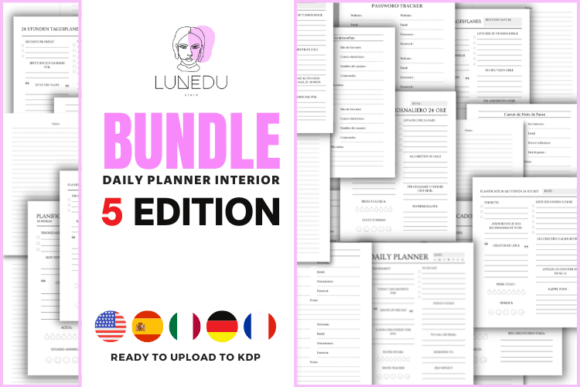
The concept of the Daily Budget Planner extends into the creative and entrepreneurial space, particularly for those designing and selling practical tools. The KDP daily expense tracker logbook represents a ready-to-use interior template for Kindle Direct Publishing (KDP) and similar platforms. These digital files are crafted for creators, bloggers, educators, and small business owners who wish to publish their own branded planners or logbooks without starting from a blank page.
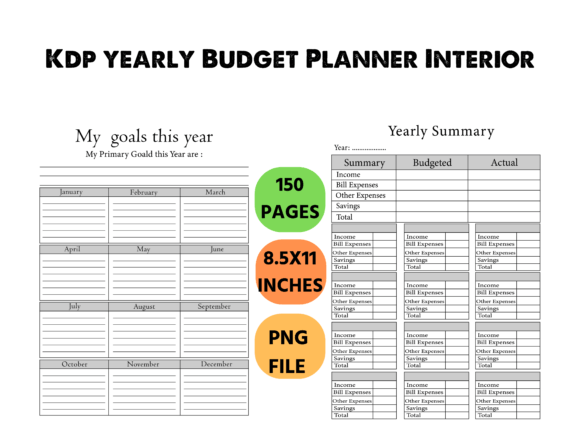
These KDP interiors, such as the one described with 150 pages in 8.5 x 11 inches, are high-resolution, tested, and ready-to-upload. They are designed to work in various design utilities, including popular software like Canva or Adobe tools, ensuring flexibility. This means a marketer can quickly adapt a professional Daily Budget Planner template for a niche audience—say, teachers tracking classroom expenses or hobbyists logging project costs—and publish it as a physical or digital product. The value here is efficiency: it saves dozens of hours of layout design, formatting, and file testing.
Key Features That Support Practical Use
When evaluating a Daily Budget Planner, whether for personal use or as a publishing template, certain features translate directly to practical benefits.
- 150 Pages: This offers substantial capacity for a quarter or even half a year of daily tracking, reducing the need for multiple books.
- Size 8.5 x 11 Inches: The standard US letter size is familiar and provides ample space for detailed entries without feeling cramped.
- High-Resolution Files (300 DPI): For publishers, this ensures the printed or digital product is crisp and professional, a key factor for customer satisfaction.
- Ready-To-Upload Print Files (PDF, PNG): This removes technical barriers. Creators can focus on marketing and customization rather than file conversion and print-prep troubleshooting.
These specifications aren’t just a list; they address real user hurdles. A low-resolution file would result in a blurry printed planner, undermining its perceived value. A non-standard size might complicate printing and handling. The included file types (PDF and PNG) cater to different needs: PDF for the complete, printable book, and PNG for individual pages you might use in digital promotions or hybrid projects.
Connecting Design to Daily Outcomes
The daily expense planner and budget tracker magazine indoors concept speaks to the aesthetic and functional design embedded in these tools. A well-laid-out interior isn’t merely decorative; it guides the user intuitively. Clear sections for date, item, category, amount, and notes prevent confusion and ensure data is recorded consistently. This thoughtful design supports the user’s goal—better financial control—by making the process smooth and almost automatic over time.
For the individual user, this translates to less time spent figuring out how to log an expense and more time gaining insights from the collected data. For the gift-giver or supporter, as mentioned in the context of special occasions, providing a beautifully designed Daily Budget Planner to a friend or family member embarking on a financial goal (like saving for a wedding or a new home) is a practical and supportive gesture. The tool itself becomes an enabler of their success.
Who Might Benefit Most from This Approach?
The utility of a Daily Budget Planner or its associated KDP template files spans several audiences.
- Freelancers & Gig Economy Workers: With fluctuating income, daily tracking helps match expenses to daily earnings, aiding in cash flow management.
- Small Business Owners: Tracking daily operational expenses in a dedicated logbook can simplify bookkeeping and tax preparation.
- Budget-Conscious Households: Families aiming to reduce discretionary spending find daily accountability powerful.
- Content Creators & Publishers: Bloggers, educators, and digital entrepreneurs can use the ready-made KDP interiors to quickly launch a complementary product to their audience, adding value and generating revenue.
- Individuals Paying Off Debt: A daily log provides immediate feedback on spending choices, reinforcing positive behavior during a repayment journey.
Considerations and Fit
A Daily Budget Planner is a commitment to a manual process. It may not suit individuals who prefer fully automated, synced financial dashboards. Its strength is in mindfulness and engagement, not speed or automation. Similarly, for publishers, the pre-designed KDP interiors are ideal for those who want to save time on layout but still wish to add their own branding or minor customizations. They are a starting point, not a fully bespoke solution.
When comparing options, personal users should consider whether they prefer a physical book or a digital PDF they can fill out on a tablet. Publishers should assess if the template’s style aligns with their brand and audience. The described template, being tested and offering multiple file types, reduces technical risk but still requires the publisher to understand their market’s needs.
The Cumulative Effect of Daily Practice
Ultimately, the power of a Daily Budget Planner lies in the compound effect of small, consistent actions. One day’s entry seems insignificant, but over weeks and months, it builds a comprehensive, honest picture of your financial life. This picture enables informed decisions—cutting unnecessary subscriptions, reallocating funds towards savings, or simply feeling more confident and less anxious about money.
For the creator publishing these planners, the value is in providing that structured starting point to others. You are offering a tool that can simplify a complex challenge. Whether used for personal mastery or as a product for a creative business, a well-executed Daily Budget Planner serves a fundamental human need: the need for control, clarity, and progress in an essential part of our lives.