Your Podcast Starts Here: The Podcast Ideas Planner
In the world of podcasting, a brilliant idea is your first episode. But the journey from that spark of inspiration to a fully produced series can be daunting. Organization is the bridge. For many, the Podcast Ideas Planner is that bridge—a structured, physical or digital tool designed to capture, refine, and schedule your content before you ever hit the record button. At its core, it’s a dedicated space to move from chaotic brainstorming to a clear, executable plan.
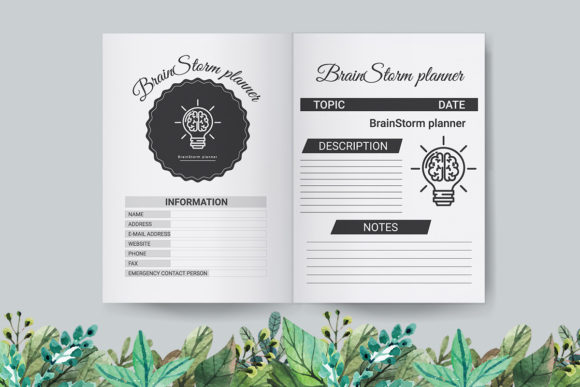
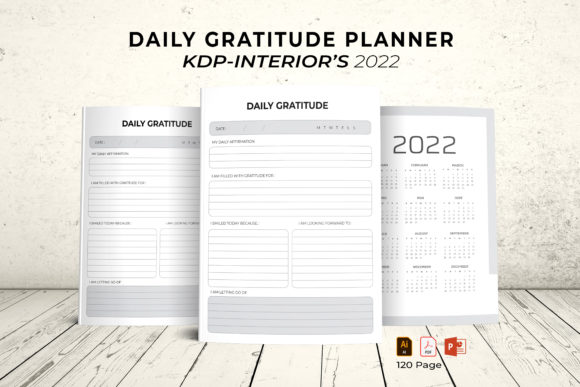
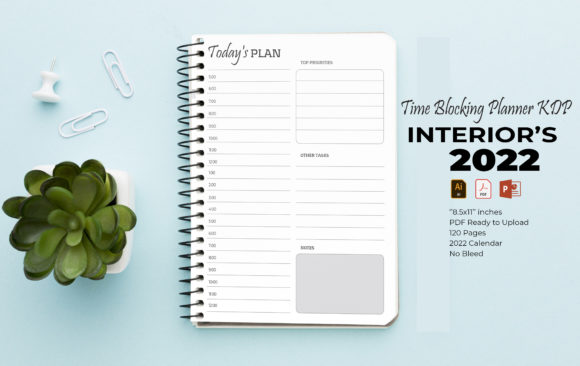
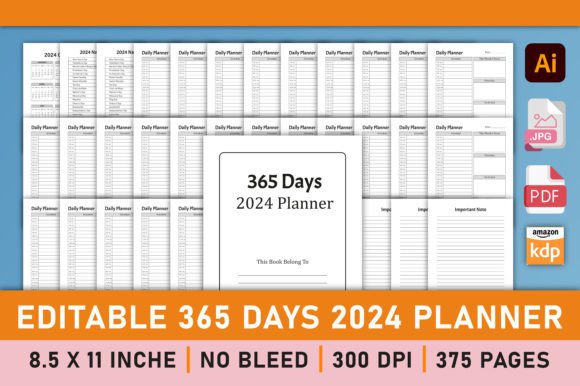
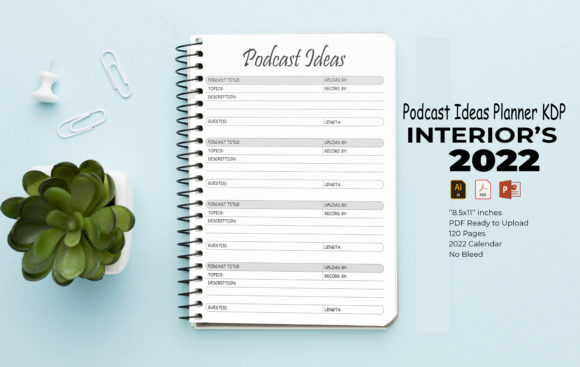
One popular version, like the 2022 Podcast Ideas Planner – KDP Interior, provides a concrete example. It’s a print-ready template package featuring a calendar, formatted pages, and editable vector files. But the concept of a planner transcends any single product. It’s about the method: committing your ideas to a system outside your head, giving them room to grow and connect.
Why a Planner Matters: Different Paths to the Same Tool
Not every podcaster approaches their craft with the same background or goals. A planner isn’t a one-size-fits-all solution, but its utility adjusts to fit the wearer. For the beginner, trembling at the microphone, it’s a safety net. It turns the overwhelming question “What do I talk about for 30 minutes?” into a manageable task: “Fill in this episode outline block for next Thursday.” It provides scaffolding, reducing anxiety and building confidence through structure.
For the seasoned creator or professional, already managing a show or multiple projects, the planner shifts from a learning tool to a efficiency engine. It’s about batch planning, guest scheduling, and content arc development. Their evaluation focuses on flexibility and reliability: Can the template handle complex series planning? Is the calendar integration seamless? Can it be quickly adapted in PowerPoint or Illustrator to match their brand’s aesthetic? They might prioritize the editable vector files and no-bleed, print-ready PDF for professional printing.
Creators, Educators, and Business Owners: Strategic Applications
When podcasting is intertwined with a larger mission, the planner’s role becomes strategic. An educator using podcasting as a course supplement might use the planner to align episodes with academic semesters, using the 2022 calendar to map out weekly topics that coincide with classroom themes. Their priority is long-term usefulness and clarity for their students.
A small business owner or marketer looks for commercial value. Their planner becomes a content marketing calendar. They might evaluate it based on how well it helps them plan promotional episodes, product launch series, or interview campaigns with industry partners. The ease of editing colors and shapes to match their corporate branding is a key benefit, turning a generic planner into a branded business asset.
For the hobbyist or consumer, podcasting is a passion project. Their needs lean towards creativity and enjoyment. A planner for them is a fun, motivating journal for their hobby. They might cherish the tactile nature of printing the 120-page PDF at home, filling it with handwritten notes and sketches. Their priority isn’t scalability or commercial ROI, but the joy of seeing their ideas collected in a beautiful, organized format.
Evaluating Your Needs: Priorities Beyond the Checklist
Looking at a feature list like “120 pages, editable files, 300 dpi” is useful, but matching a planner to your personal workflow requires digging deeper. Consider your primary priorities.
- Ease of Use & Speed: Are you a visual thinker who needs to quickly drag-and-drop shapes in PowerPoint? The included PPT file might be your gateway. Or do you prefer the simplicity of a pre-formatted PDF you can immediately print and scribble in?
- Quality & Presentation: If you intend to sell a physical planner on KDP or present your plan to a team or sponsors, the high-resolution, print-ready files with vector graphics ensure a professional finish.
- Flexibility & Creativity: The fully editable Illustrator (Ai/EPS) files offer immense creative control. A graphic designer or meticulous creator can rebuild every element, making the planner uniquely theirs.
- Learning Value vs. Commercial Value: A beginner gains immense learning value from simply following the structure. An entrepreneur assesses commercial value—how this tool saves time and increases content output, ultimately supporting growth.
Practical Scenarios: Finding Your Fit
Imagine a freelance journalist starting a niche history podcast. They need to plan deep-dive episodes, track research notes, and schedule interviews with experts. For them, the planner’s calendar and ample page count are crucial. They might use the JPEG images as quick reference mood boards. Their skill level is high in research but perhaps low in design; the easy-to-edit files allow them to customize without advanced software knowledge.
Conversely, a life coach wanting to launch a weekly motivational podcast might prioritize simplicity and speed. They could use the straightforward PDF, printing it and using it as a weekly ritual to brainstorm topics aligned with seasonal themes (using the integrated 2022 calendar). Their evaluation is based on how the tool feels—does it inspire and simplify, or add complication?
Help identify if a planner like this matches your project by asking: Is my main hurdle idea generation or idea organization? Do I work best digitally or physically? Am I building a show for pure expression, or as part of a larger professional strategy? The answers will steer you toward the aspects of a planner that will serve you best—whether it’s the instant usability of a ready-to-upload PDF or the open-ended potential of resizable vector shapes.
The Core Takeaway: Structure Liberates Creativity
Ultimately, a Podcast Ideas Planner, in any form, argues a counterintuitive point: constraints foster freedom. By providing a framework—dates, pages, formatted sections—it liberates your mental energy from administrative worry and redirects it to creative exploration. Whether you’re a novice seeking direction or a pro optimizing a system, the act of planning externally transforms podcasting from a nebulous ambition into a series of achievable, scheduled tasks. It reminds you that the most powerful tool in podcasting isn’t always the microphone or the editing software; sometimes, it’s the quiet, organized page where the idea begins.